What Happens After You File Your Tax Return?
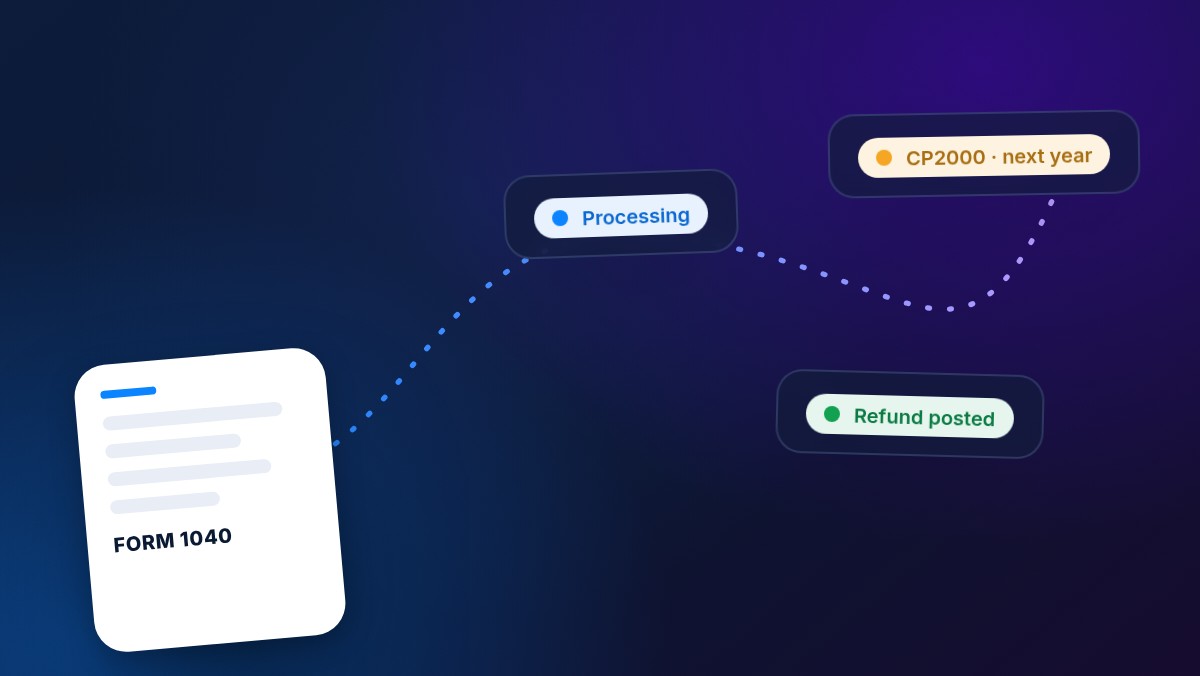
For most people, hitting “file” feels like the end of tax season. For the IRS, it is the beginning of a processing pipeline that runs for months and sometimes years, and understanding that pipeline explains nearly every unwelcome surprise that arrives later.
Stage 1: Processing and posting
After submission, the return is validated, processed, and posted to your account for that tax year. E-filed returns typically post within a few weeks; paper returns take substantially longer, and IRS paper backlogs have run into the millions of pieces in recent years. Until the return posts, your account does not reflect it, which is why “did they even get it?” is a real question with a checkable answer.
Most refunds on e-filed returns with direct deposit issue within 21 days. Returns claiming the Earned Income Tax Credit or Additional Child Tax Credit are held by law until mid-February regardless of how early you file, under the PATH Act.
Stage 2: The matching season
This is the stage almost nobody anticipates. Employers, banks, brokerages, and payment platforms send the IRS their own copies of your W-2s and 1099s. Months after filing, the Automated Underreporter (AUR) system compares what third parties reported against what you reported.
When the numbers disagree, the result is typically a CP2000 notice, proposing changes to your return. These commonly arrive a year or more after filing, which is why a 2024 return can generate a letter in 2026. A CP2000 is a proposal, not a bill, and you have 30 days to respond (60 if you are abroad). Ignore it and the IRS issues a Statutory Notice of Deficiency, the “90-day letter,” after which the proposed tax is assessed and your options narrow to Tax Court or paying.
Stage 3: Refunds, holds, and offsets
A refund can post cleanly, or it can be held for review, applied to a prior-year IRS balance, or offset through the Treasury Offset Program against other government debts, past-due child support, state tax obligations, defaulted federal student loans. Each of those outcomes appears as a dated transaction in your account, usually well before any explanation reaches your mailbox.
Stage 4: When a balance appears
If a return posts with tax due and no matching payment, the account shows a balance and the notice cycle begins: a CP14 bill first, then reminders, then a CP504, then the final LT11 notice with its 30-day levy-rights clock. Penalties and interest accrue from the original due date, not from when you notice, at 0.5% per month plus daily-compounding interest.
Stage 5: The long tail
Amended returns (which can take 16 weeks or more to process), penalty abatements, examinations, and IRS-initiated adjustments all continue writing to the same account long after filing season ends. In practical terms, a tax year is not “closed” until the account for that year goes quiet, and the IRS generally has three years from filing to assess additional tax, longer in cases of substantial underreporting.
The takeaway
Filing starts a stream of IRS activity that most people never see until a letter arrives, often a year later and always after the fact. IRS Account Monitoring keeps Rocky watching that stream for you, so a posted refund, a proposed change, or a growing balance is something you hear about when it happens, not when the mail shows up.